
01
Mammalian Cell Culture
MCF-7 and HeLa cell lines
Aseptic technique, feeding, passaging and maintaining live mammalian cell lines under supervised laboratory conditions.
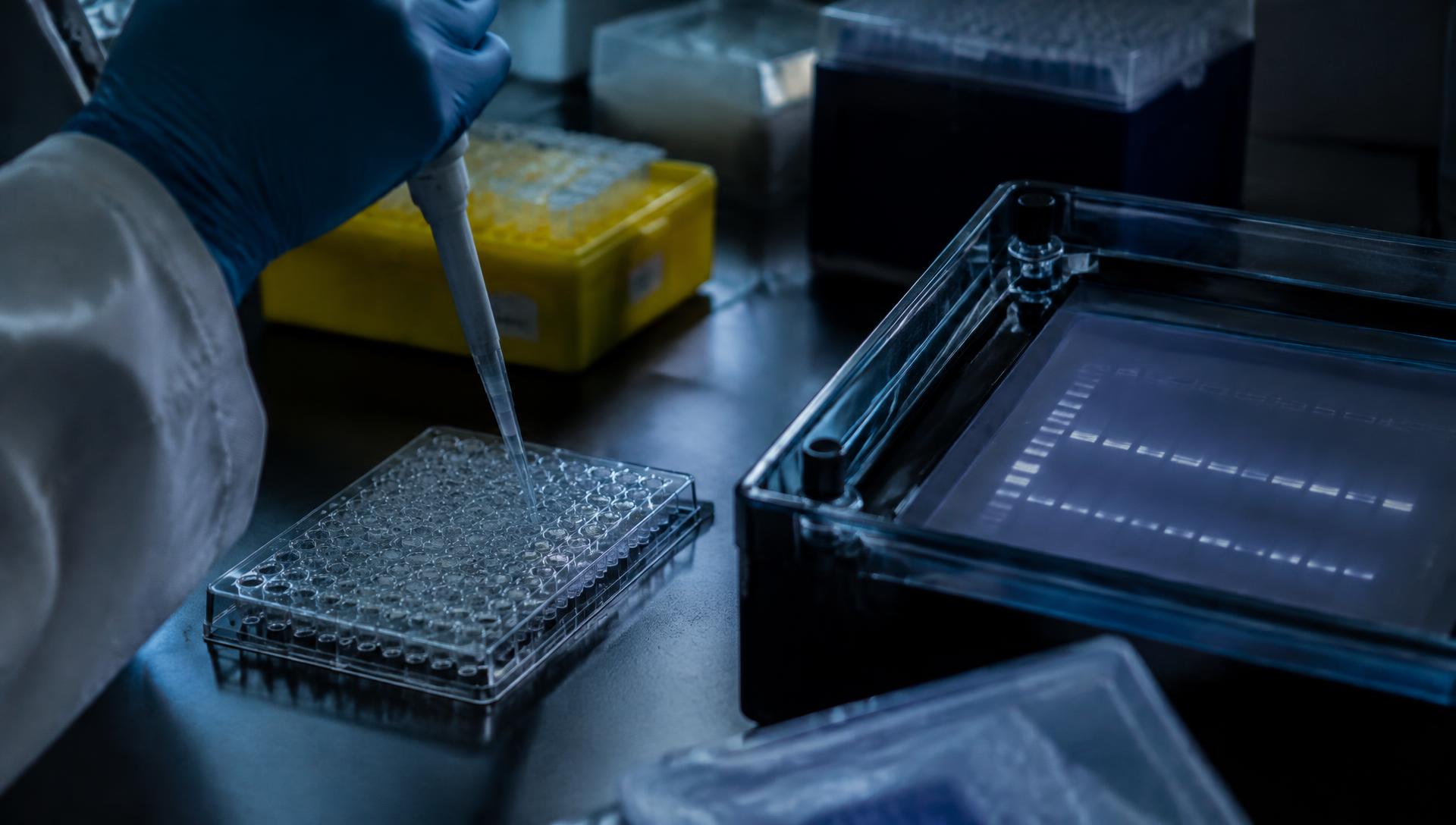
LAB TRAINING — ADVANCED MOLECULAR & BIOINFORMATICS
Twelve days of hands-on molecular biology and bioinformatics in a professional, CQC-accredited laboratory — from live cell culture to next-generation sequencing analysis.
Milton Keynes, England · £1,200 · Max 8 per cohort
12 days
Programme duration
Sat · Sun · Thu & Fri
Available training days
£1,200
Programme fee
Milton Keynes
England, United Kingdom
Your individual training schedule and pathway will be discussed during your initial consultation.
Programme overview
Our Advanced Molecular & Bioinformatics programme is a twelve-day intensive delivered over six consecutive weeks, with training available on Saturdays, Sundays, Thursdays and Fridays — designed to fit around studies or work while building serious, hands-on molecular experience.
Training takes place inside our professional laboratory in Milton Keynes, England. Cohorts are deliberately small — a maximum of eight students — so every trainee works directly with the equipment, samples and workflows, guided by experienced scientific staff.
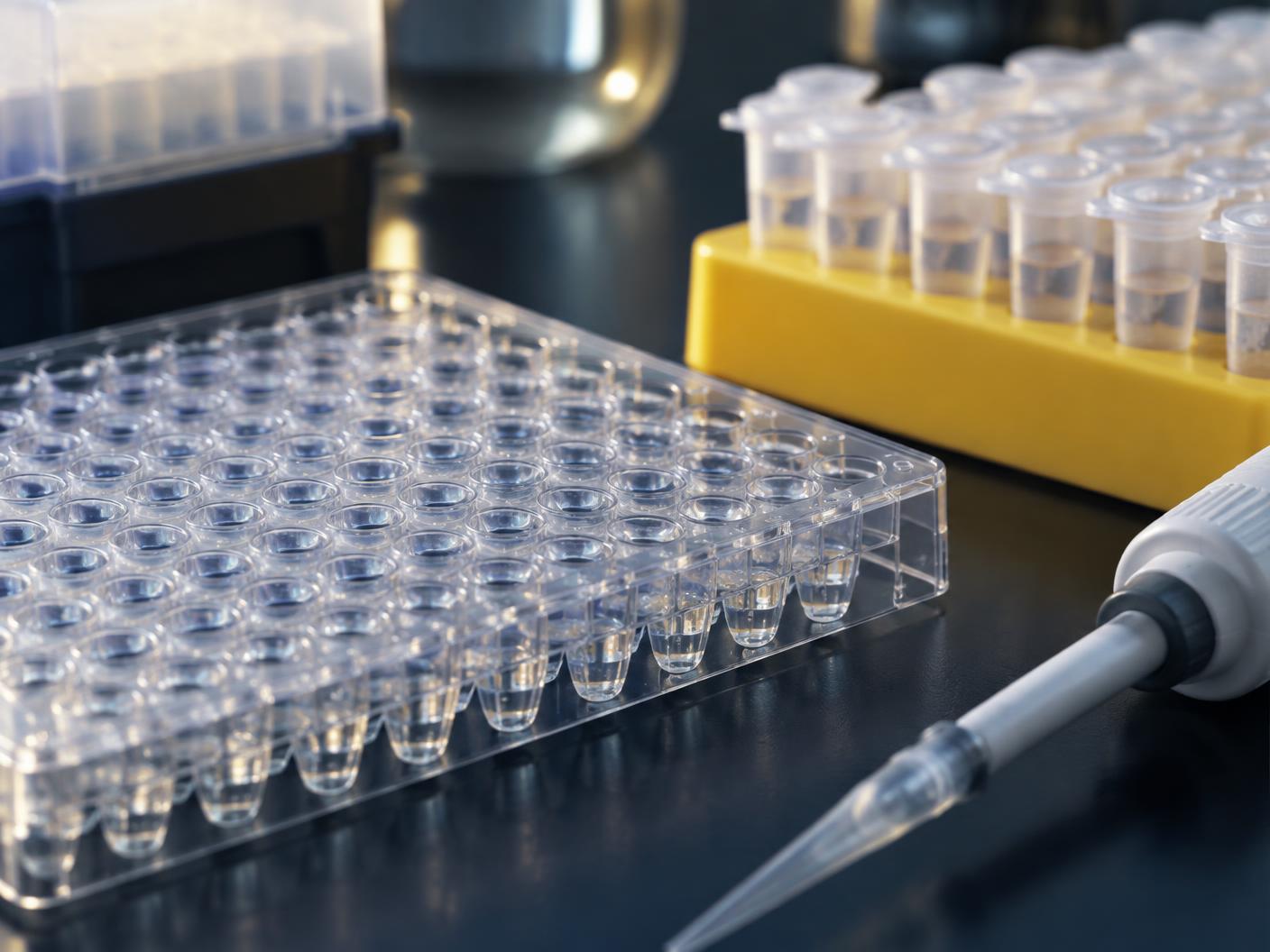
Who it's for
No prior molecular laboratory employment is required — the programme is designed to give motivated life-science students and graduates structured, genuine practical experience across the full molecular workflow.
What you'll learn
Every area is taught hands-on at the bench or at the workstation, moving from living cells through to analysed, interpreted molecular data.
MCF-7 and HeLa cell lines
Aseptic technique, feeding, passaging and maintaining live mammalian cell lines under supervised laboratory conditions.
From cultured cells and blood
Isolating high-quality nucleic acid and protein material from cultured cells and blood samples, ready for downstream analysis.
The polymerase chain reaction
Setting up and running amplification reactions — the foundation of modern molecular diagnostics and research.
DNA and RNA analysis
Preparing, running and interpreting gels to separate and visualise DNA and RNA fragments by size.
SDS-PAGE and Western blotting
Separating proteins by molecular weight and transferring them for antibody-based detection and interpretation.
Introducing DNA into cells
Delivering plasmid DNA into cultured mammalian cells and assessing successful expression.
Principles and practical workflow
Understanding genome editing concepts and working through the practical CRISPR workflow under supervision.
The Galaxy bioinformatics platform
Working with next-generation sequencing data through the Galaxy platform — from raw reads to interpreted results.
Interpreting molecular data
Interpreting, analysing and drawing defensible scientific conclusions from molecular datasets.
Practical sessions are delivered within a professional, quality-led laboratory environment. Your individual training schedule and pathway will be discussed during your initial consultation.
With a maximum of eight students per cohort, every trainee is guaranteed meaningful time with the equipment and close supervision from scientific staff. The six-weekend format keeps the programme accessible — you build depth across twelve full days without putting your week on hold.
Career support
Guidance on presenting your molecular and bioinformatics training clearly and relevantly for scientific applications.
Preparation for scientific interviews, including how to talk confidently about practical techniques and data work.
A professional reference on completion of the programme, subject to satisfactory participation.
Training develops relevant practical experience and confidence. Career progression depends on individual applications and employer requirements.
Combine your disciplines
Selected Biomed programmes can be combined into a broader training pathway shaped around your interests and career goals.
Explore your optionsExamples only, not fixed packages. Programme combinations are discussed during your initial consultation.
Cohorts are capped at eight students and fill in advance. Enquire for upcoming weekend dates, or apply directly for a place on the programme.