
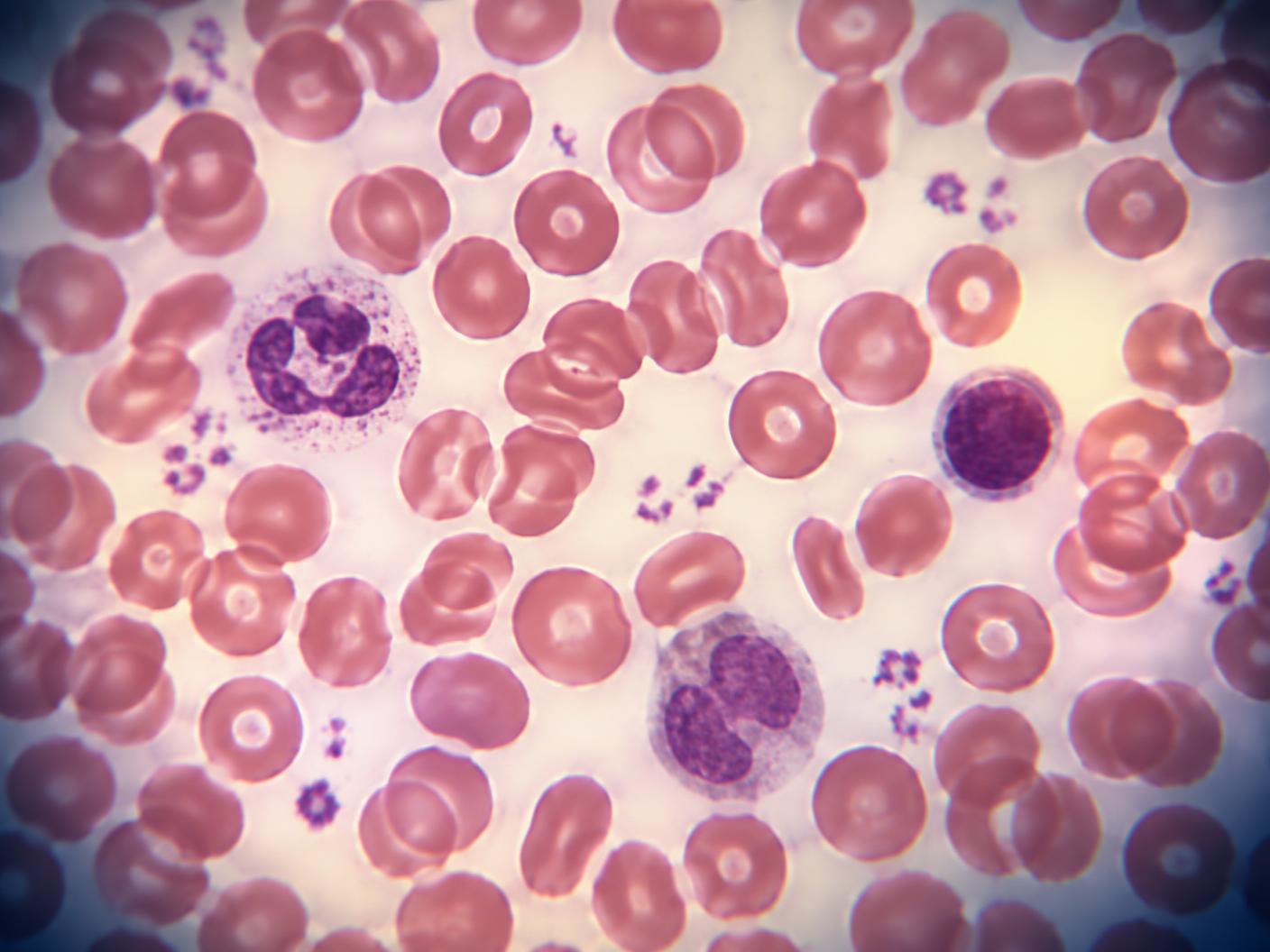
Lab Training — Haematology
Haematology training.
Hands-on training inside a professional, CQC-accredited diagnostic laboratory — building the practical haematology experience employers look for.
Milton Keynes, England
6 days
Programme duration
Mon · Tue · Thu & Fri
Available training days
On consultation
Programme details & fees
Milton Keynes
England, United Kingdom
Small cohorts · max 4–5 studentsYour individual training pathway and schedule will be discussed during your initial consultation.
Programme overview
Training inside a working laboratory.
Our haematology programme is a six-day intensive delivered inside our professional, CQC-accredited diagnostic laboratory in Milton Keynes. Rather than classroom simulations, you learn by observing and practising the workflows, standards and expectations of a real laboratory environment.
Training is available on Mondays, Tuesdays, Thursdays and Fridays, with the exact structure of your programme shaped around your goals. Every participant completes the training with a CPD-accredited certificate.
Who it's for
Is this programme for you?
For students and graduates drawn to diagnostic blood sciences who want to see how blood samples are prepared, examined and analysed in practice.
What you'll train in
Core skills, learned at the bench.
A focused six days covering the practical foundations of a working haematology bench — from receiving samples to identifying blood cell types.
- 01
Specimen Reception & LIMS
Introduction to specimen reception, sample tracking and laboratory information management systems within a professional laboratory workflow.
- 02
Blood Sample Handling
Safe, correct handling of blood samples in line with laboratory standards.
- 03
Blood Smear Preparation
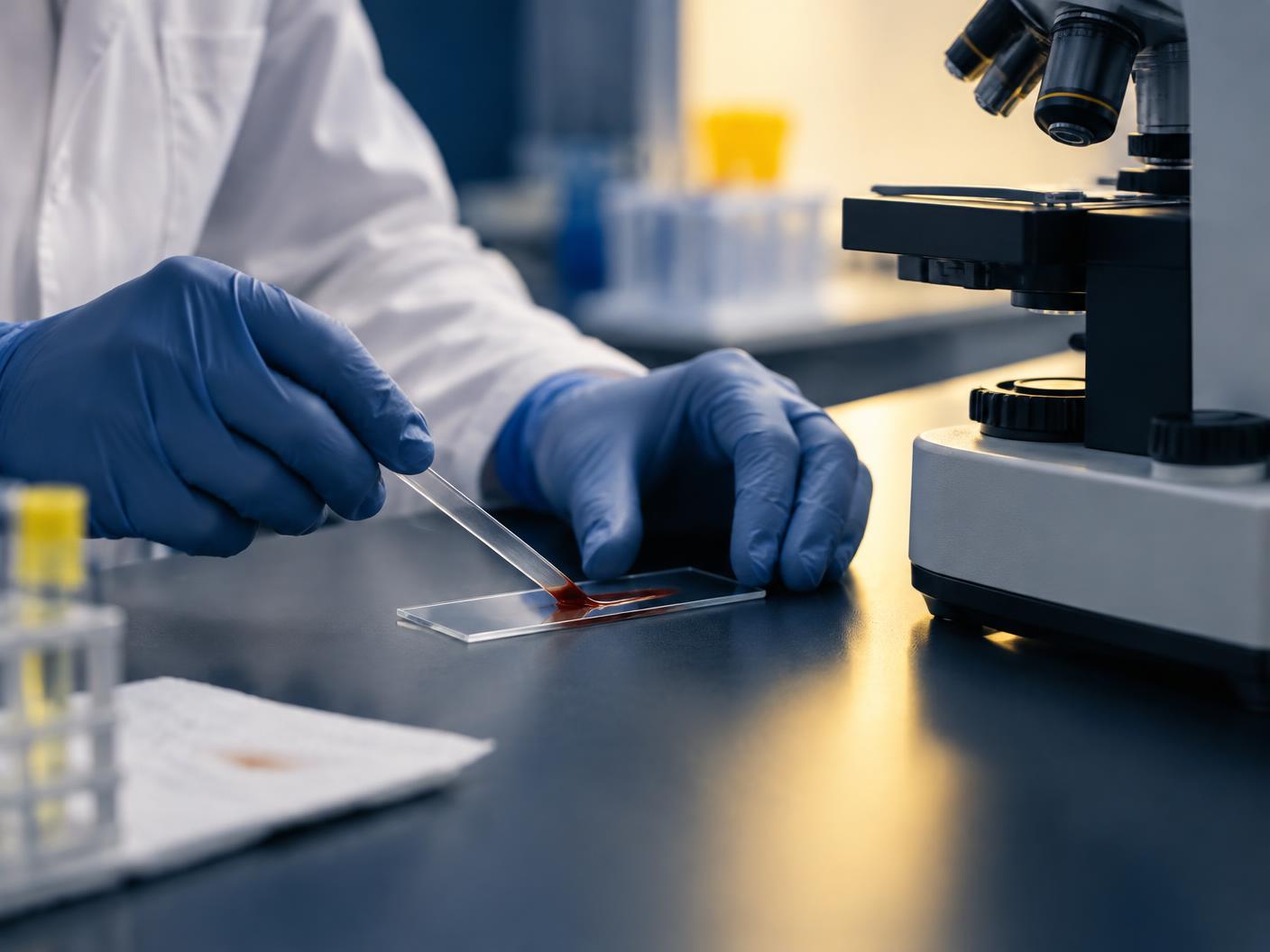
Preparing even, well-spread blood films ready for staining and examination.
- 04
Blood Smear Staining
Staining blood films so that cells can be clearly examined under the microscope.
- 05
Phlebotomy
An introduction to the principles and practice of blood collection.
- 06
Blood Parameters
Understanding key blood parameters and how they are measured and reported.
- 07
Blood Type Grouping
The principles and practical steps of determining blood groups.
- 08
Blood Cell Morphology
Examining the size, shape and appearance of blood cells under the microscope.
- 09
Identification of Blood Cell Types
Recognising and distinguishing the different blood cell types on a stained film.
Eligibility
Who can apply?
Life Science undergraduate or graduate
Open to life-science undergraduates and graduates looking to gain practical laboratory experience.
Home & international students
Applications are welcomed from both home and international students.
One-to-one interview
Entry is subject to a one-to-one interview to ensure the programme is suitable for your goals.
Places are confirmed following the one-to-one interview. Your individual training pathway and schedule will be discussed during your initial consultation.
Career pathways
Where haematology skills can lead.
Career pathways
- Medical Laboratory Assistant roles
- NHS blood science laboratories
- Diagnostic haematology
- Trainee Biomedical Scientist pathways
- Laboratory support roles
Career pathways shown are examples of roles and sectors where the skills developed may be relevant. Training does not guarantee employment or progression into a specific role.
CPD-accredited certificate.
Every haematology programme concludes with a CPD-accredited certificate — formal recognition of the practical training you have completed. It demonstrates verified, hands-on laboratory experience to universities, employers and professional networks.
Career support
More than bench time.
Training Manual
A structured training manual to support your practical work on the programme and your learning afterwards.
CV & Cover Letter Support
Guidance on presenting your laboratory training clearly and relevantly for scientific applications.
Interview Preparation
Preparation for scientific and laboratory interviews, including how to talk about practical experience.
Professional Reference
A professional reference on completion of the programme, subject to satisfactory participation.
Training develops relevant practical experience and confidence. Career progression depends on individual applications and employer requirements.
Combine your disciplines
Build a broader pathway.
Selected Biomed programmes can be combined into a broader training pathway shaped around your interests and career goals.
Explore your optionsExamples only, not fixed packages. Programme combinations are discussed during your initial consultation.
Ready to train in haematology?
Places are limited and cohorts fill in advance. Enquire for upcoming dates, or apply directly for the six-day programme.